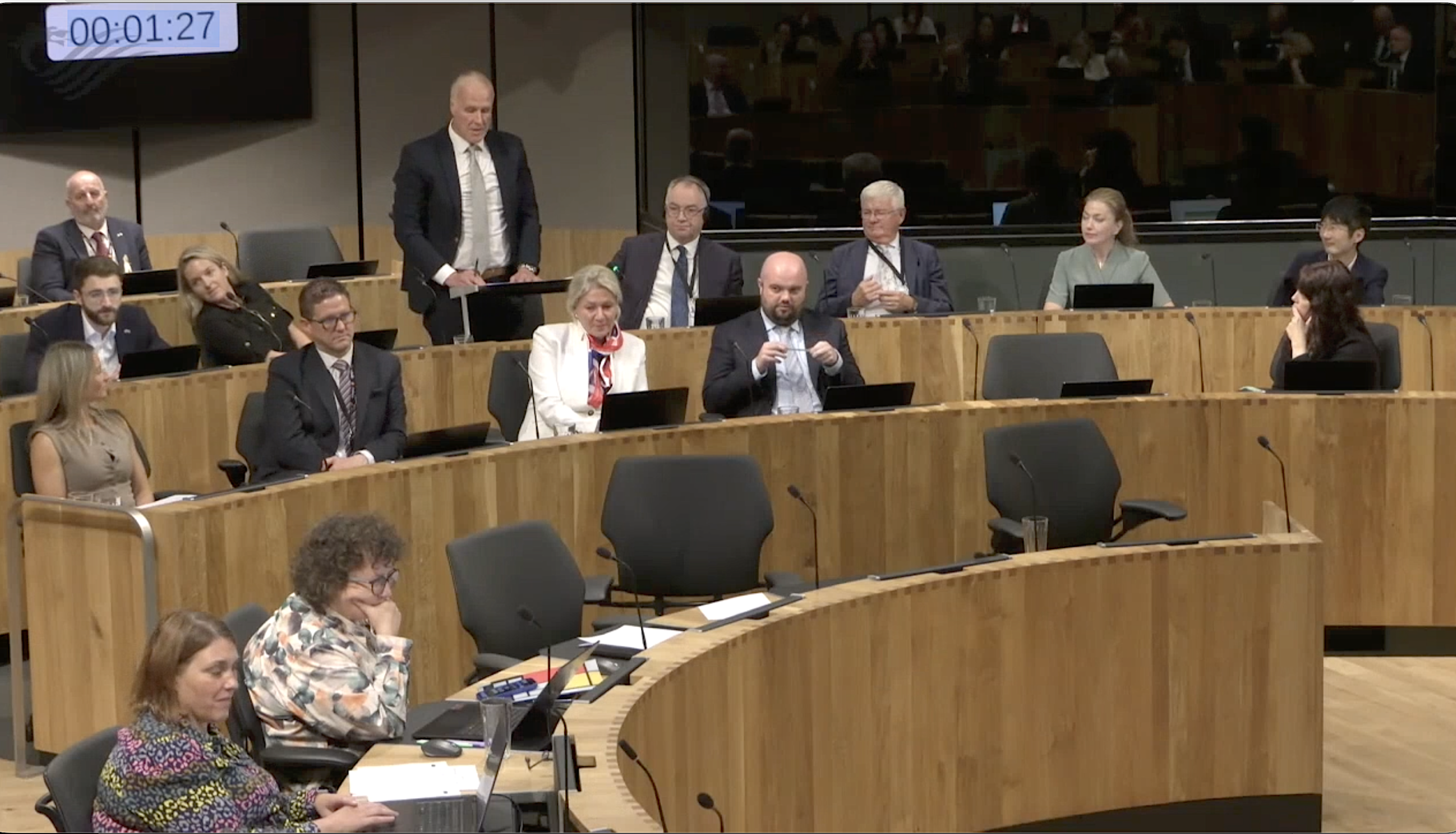
In the Senedd yesterday, we saw a motion that laid bare the misdirected priorities of this administration. Before the election, the First Minister promised a National Commission on Wales’s constitutional future, not a charge towards independence after just 100 days. Yet after aligning with Sinn Féin and the SNP, they are pushing full pelt down a constitutional rabbit hole.
The people of Wales deserve to know what this independence experiment will cost, and who will be forced to pick up the bill.
While this government engages in political theatre, Welsh families are facing real-world crises. NHS waiting lists remain far too long, frontline services are creaking under pressure, unemployment is high, and energy bills for households and local businesses are disastrous. Walking away from the United Kingdom will fix none of these issues, it will only make them worse.
The economic reality is indisputable. Wales’s net fiscal deficit stands between £22 billion and £23 billion. Even the Cabinet Minister for Government Effectiveness, Dafydd Trystan Davies, admitted that Wales is a net fiscal beneficiary of the UK. Independence isn’t a national project; it is a slow-motion fiscal car crash paid for by higher taxes and borrowing on the backs of Welsh taxpayers.
Plaid Cymru’s promises of alternative revenue, like devolving the Crown Estate, are pure fantasy. The Welsh Government’s own expert group estimated gross revenues at under £20 million a year, which wouldn’t even cover the cost of setting up another bureaucracy.
The Senedd already holds vast powers over healthcare, transport, and education. Before trying to break the Union, the government should ask itself what it has achieved with the powers it already holds.
The people of Wales do not want independence. They want action:
Healthcare: Fixing NHS waiting lists, clearing treatment backlogs, and putting resources into doctors and nurses rather than managers.
Energy & Industry: Abandoning net-zero ideology to lower energy costs, supporting small modular nuclear reactors, and giving Welsh industry the dependable power it needs to preserve jobs.
Agriculture: Cutting red tape to let Welsh farmers do what they do best, produce food and sustain rural communities.
Being part of the United Kingdom provides strength, financial security, and shared opportunity. It’s time to stop the constitutional games, deliver on real priorities, and keep Wales strong within the UK.